Sept 25 Lunch weekday 2 of us Atmosphere: This is the 2nd time we come to this restaurant this year. We just couldnt help not coming here. All perfect 9/10 Indoor seating very comfortable. Decor typical Italian rest. Service: always attentive, helpful and persuasive hahahha let us try new item Food: all delicious, all well prepared, all yummy 9/10. You can see that we ordered 2 antipasti, 3 pastas and 3 mains. So it is that good. And we finished them all. Plus 1 dessert which we have to get the tiramisu
Overview
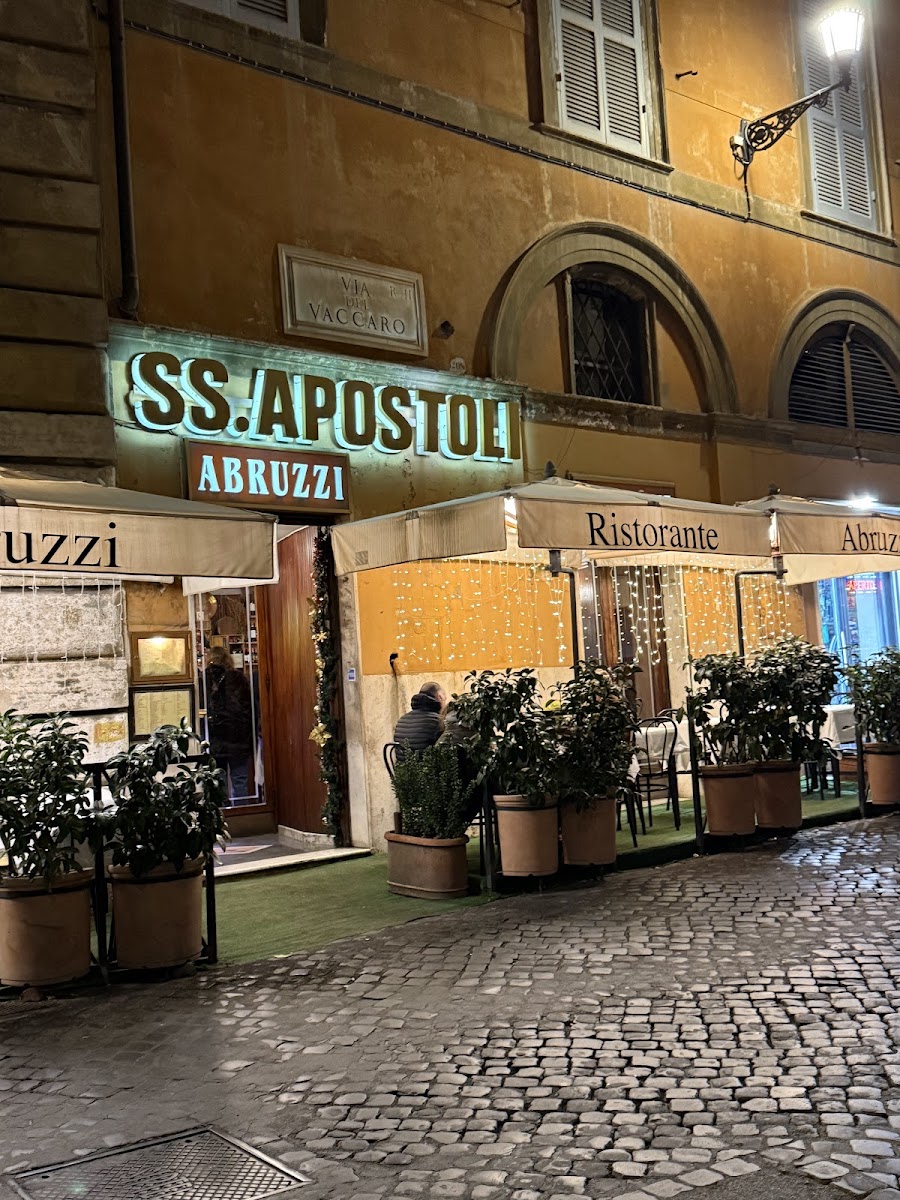
Tucked away in the historic center of Rome, Ristorante Abruzzi at Via del Vaccaro, 1, 00187 Roma RM, Italy feels like the kind of place you stumble upon once-and then make a point to return to. Just a short walk from the Trevi Fountain and the Pantheon, this restaurant blends Roman elegance with the rustic soul of Abruzzo cuisine. I first visited on a cool autumn evening after a long day exploring the city’s cobbled streets, and from the moment I stepped inside, the warm lighting and understated décor made it clear that this wasn’t a tourist trap, but a serious kitchen with a clear culinary identity.
The menu leans heavily into traditional dishes from the Abruzzo region, an area often praised by food historians for its balance between mountain and coastal flavors. According to the Italian Academy of Cuisine, Abruzzo gastronomy is rooted in pastoral traditions, with lamb, saffron, pecorino cheese, and handmade pasta forming its backbone. You see that philosophy in action here. I ordered the classic arrosticini-grilled lamb skewers seasoned simply with salt and olive oil. The meat was tender, slightly smoky, and served exactly as it would be in central Italy. It’s the kind of dish that proves how powerful simplicity can be when ingredients are fresh and expertly handled.
Another standout was the pasta alla chitarra, a square-cut egg pasta typical of Abruzzo. The texture was firm yet delicate, holding onto the rich tomato and lamb ragù beautifully. The process behind this pasta is fascinating: it’s pressed through a wooden frame strung with thin wires, which gives it that distinctive shape and bite. Having taken a cooking workshop in Italy a few years ago, I recognized the craftsmanship immediately. Handmade pasta like this requires precision and patience, and you can taste the difference compared to mass-produced alternatives.
The wine list deserves special mention. Italy is home to over 500 native grape varieties, according to data from the International Organisation of Vine and Wine (OIV), and Ristorante Abruzzi showcases several regional labels. I tried a Montepulciano d’Abruzzo, a full-bodied red known for its deep color and balanced tannins. The server explained the pairing thoughtfully, suggesting it alongside the lamb to enhance the dish’s earthy flavors. That kind of informed guidance reflects a team that understands both hospitality and enology.
Service throughout the evening felt polished but never stiff. Staff members were attentive without hovering, and they spoke confidently about the menu, ingredients, and preparation methods. In my experience reviewing restaurants across Rome, that level of knowledge often signals strong kitchen leadership and consistent training. It builds trust. Online reviews across major travel platforms consistently mention the same qualities: authentic flavors, central location, and reliable service. While no restaurant is perfect-wait times can be longer during peak tourist season-the overall feedback trend is overwhelmingly positive.
What also sets this place apart is its atmosphere. Unlike larger, commercial dining spots, this restaurant maintains an intimate setting. Tables are spaced comfortably, allowing conversation to flow easily. The ambiance strikes a balance between casual dining and refined trattoria style, making it suitable for everything from a relaxed lunch to a celebratory dinner.
From a broader culinary perspective, Italy’s reputation for quality dining is not accidental. Organizations like Slow Food, founded in Italy, have long advocated for preserving regional recipes and sustainable sourcing. You can sense that same philosophy here. Ingredients taste seasonal and thoughtfully selected, suggesting close relationships with trusted suppliers. While I cannot independently verify every sourcing claim, the flavor and freshness strongly support that impression.
If you’re exploring Rome and craving something beyond standard Roman pizza or carbonara, this restaurant offers a focused regional experience that feels grounded and genuine. The location makes it convenient, the menu delivers depth and tradition, and the service ties it all together in a way that leaves a lasting impression.
Good to know
Service options
✓ Outdoor seating ✓ Takeaway ✓ Dine-in ✓ DeliveryHighlights
✓ Great coffee ✓ Great dessert ✓ Great wine listPopular for
✓ Lunch ✓ Dinner ✓ Solo diningAccessibility
✓ Wheelchair-accessible entrance ✓ Wheelchair-accessible seatingOfferings
✓ Alcohol ✓ Beer ✓ Coffee ✓ Healthy options ✓ Late-night food ✓ Quick bite ✓ Spirits ✓ WineDining options
✓ Breakfast ✓ Lunch ✓ Dinner ✓ Dessert ✓ Seating ✓ Table serviceAmenities
✓ ToiletAtmosphere
✓ Casual ✓ Cosy ✓ QuietCrowd
✓ Groups ✓ TouristsPlanning
✓ Dinner reservations recommended ✓ Accepts reservationsPayments
✓ Credit cards ✓ Debit cards ✓ NFC mobile payments ✓ Credit cardsChildren
✓ Good for kidsParking
✓ ParkingPhotos
1 / 4
Location
Reviews
- No ratings yet 951 reviews
Lovely hidden, small (but very visible) gem. We got to know about this from Walkative (recommend that too for free tours). Doesn’t boast like a tourist place on the street, but at a corner. It’s a restaurant running since ages. Now the food is lovely. Being tired of pasta and pizza, we tried a bit of unusual dishes -Chicken roast with potatoes -Chicken curry with rice. Best part - they do have wines by 1/2 a bottle, so was able to have a nice one without spending on the entire bottle. Did see other tables any everything looked delicious. Staff is welcoming, a bit funny and warm. Great place for vegetarian and non beef/pork eaters as well.
Service higher than a 5. We were hot at lunch time coming from walking coliseum and forum and wanted a locals place. Around the corner from shopping. Had some air conditioning and the waiter was attentive and picked out a small wine for me to go with the Curry chicken. Wife had the Capricciosa and All were delicious. Definitely locals (there was a large local group sitting in the back). Good price for Rome,
We had our last dinner in Italy here and it was absolutely perfect! Our server Marco was so friendly and we had delicious food! We don’t like tourist traps and this definitely was not that, food was great and authentic, totally felt like a little hidden gem! 10/10
Best meal we have had in a long time. Wonderful staff, outstanding food and a memory well made!
This is a real authentic and quality restaurant. We ordered 3 types of pasta and had a bottle of wine and every meal was outstanding. The wine recommended by the waiter was magnificent and it was not overpriced for the experience. I will come back here for sure.
We ate there, on our first evening in Rome, after research work, we did before the trip, and enjoyed every moment. An authentic Italian restaurant, exactly the opposite, of a tourist restaurant. The most delicious tomato bruschetta, we have ever eaten, fine pasta, excellent wine, and very good desserts. Everything you would expect, from a good dinner in Rome. And all this - at a very reasonable price. We liked it so much, that we ate there one more time - lunch, on the day we left Rome.